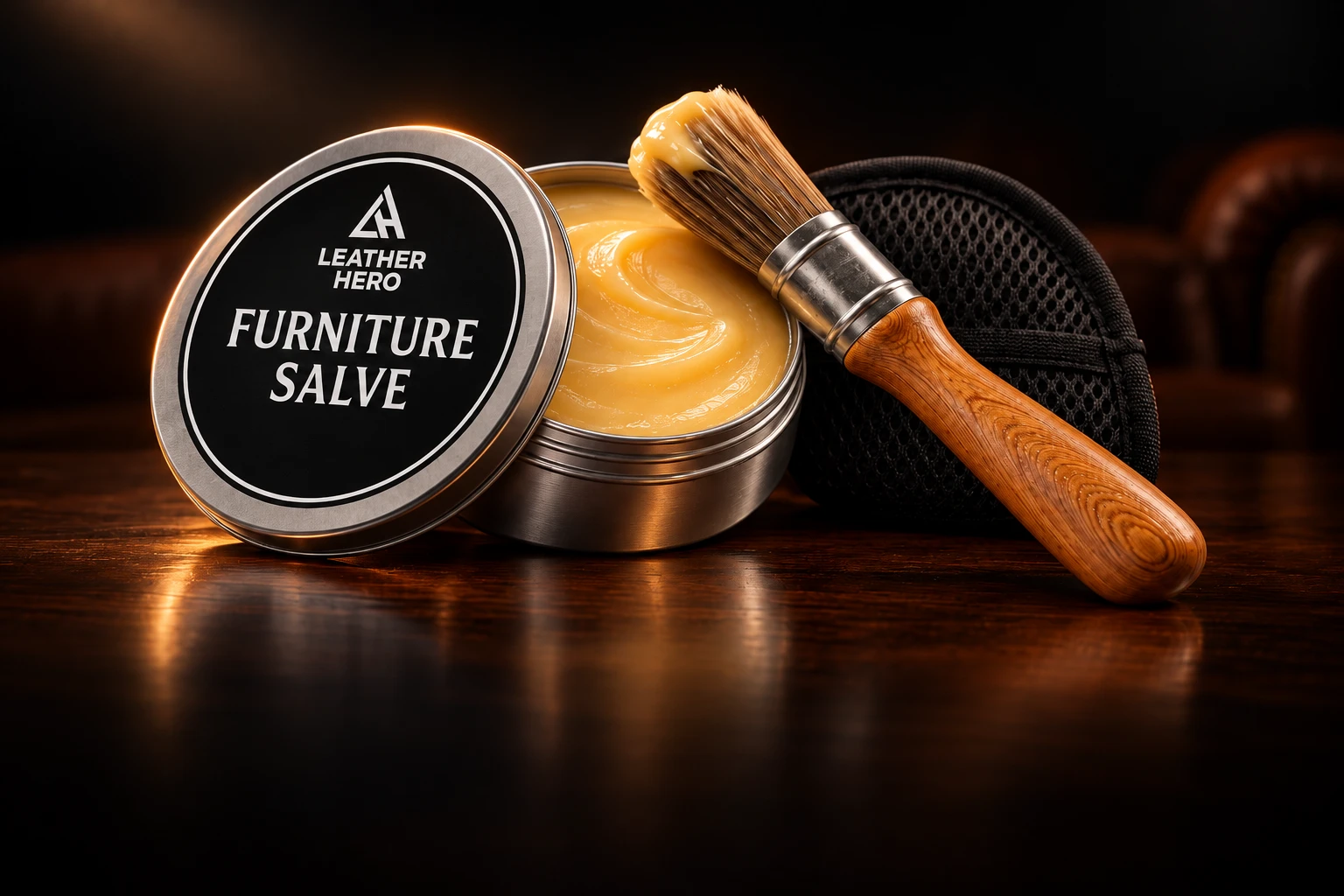
Leather Hero — Furniture Salve
Four near-identical images rebuilt into a ten-image set led by before-and-after proof, real furniture settings and a cross-section of the salve at work.
Make your product the one they notice.
Raw product shots transformed into a scroll-stopping Amazon main image for Yara by Lattafa Eau de Parfum — AI-assisted clean-up, Photoshop precision, no studio shoot.
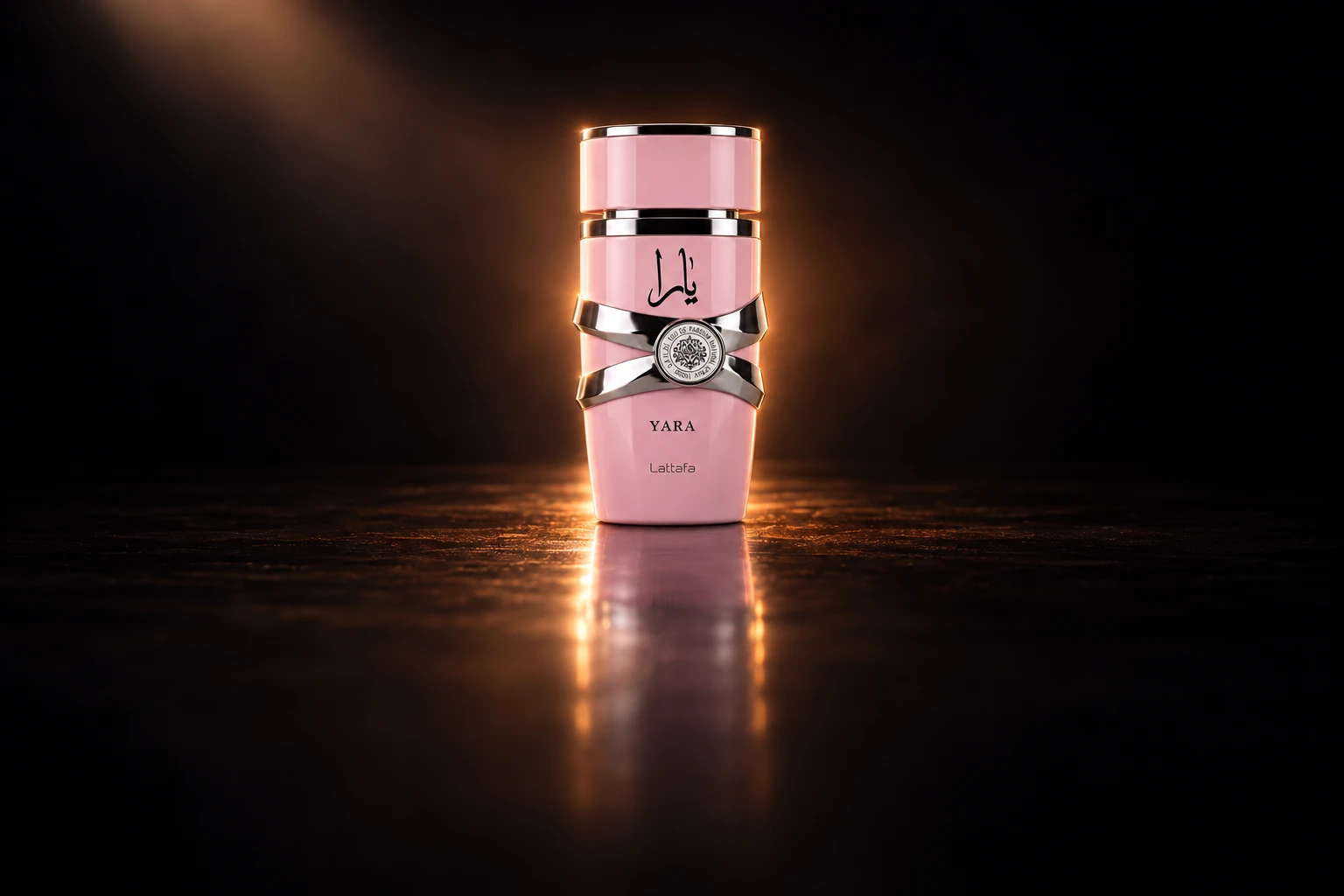
Two casual product shots — textured backgrounds, uneven angles, inconsistent lighting — became one Amazon-compliant main image. Tap to enlarge.
The bottle silhouette must be instantly readable at thumbnail size. The Yara's cylindrical form and cross-wrap metalwork needed to read clearly even at 200×200px in search results.
Premium fragrances live or die on their lighting. The pink lacquer and silver elements each reflect light differently — too bright kills the pink depth; too dark loses the metalwork detail.
The first impression must communicate the price point before the buyer reads a single word. Every highlight, every shadow, every reflection is there to signal luxury quality.
Centring, white space management and filling 85%+ of the frame — these are not aesthetic choices, they are conversion decisions guided by Amazon's own image best practices.
The Yara by Lattafa is a premium fragrance — a rose-pink cylindrical bottle with intricate silver cross-wrap metalwork, Arabic calligraphy and an ornate medallion. It is a premium-looking product. But the raw shots buried all of that: textured backgrounds, tilted angles and flat ambient lighting that made it look like any other online listing.
The redesign took minutes — not because the work was trivial, but because the workflow was smart. AI handled the heavy lifting on background removal and initial clean-up. Photoshop handled the precision: lighting balance, reflection control on the silver elements, centring, and the subtle drop shadow that grounds the bottle without making it look fake.
On Amazon, your main image is not one of many assets. It is the only thing a buyer sees before they decide whether to click. It appears in search results, in sponsored ads, in competitor comparisons. It is your first impression, your first click and your first sale — all in a single square image.
Getting it wrong means paying for traffic that doesn’t convert. Getting it right means your product competes at the level it deserves — regardless of your listing age or review count.
AI accelerates the workflow. But AI doesn’t know that the silver metalwork needs to read differently from the pink lacquer. It doesn’t know that centring the bottle 3% to the right improves visual balance. It doesn’t know that Amazon’s zoom feature means the label text needs to be readable at 400% scale.
The edge — right now and increasingly in the future — is not who has access to the tools. It’s who understands Amazon’s rules, buyer psychology and conversion design well enough to know exactly what to fix and what not to touch.
Your main image isn’t converting?
Fast, precise, Amazon-compliant — and built to make buyers click.
Four near-identical images rebuilt into a ten-image set led by before-and-after proof, real furniture settings and a cross-section of the salve at work.
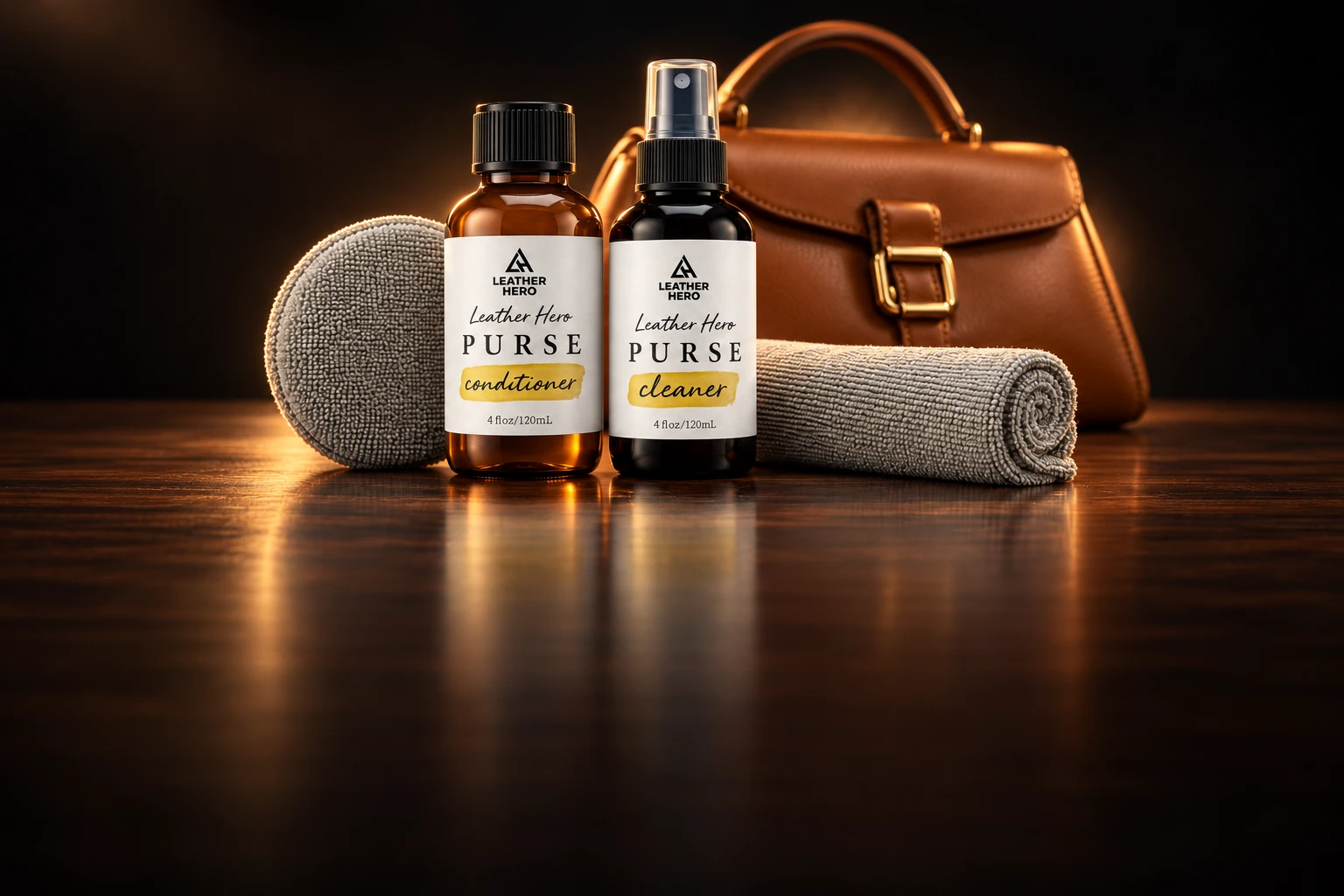
The brand's second product, given the same proof-first treatment: an eight-image set led by one aged crossbody, restored in a single split frame.
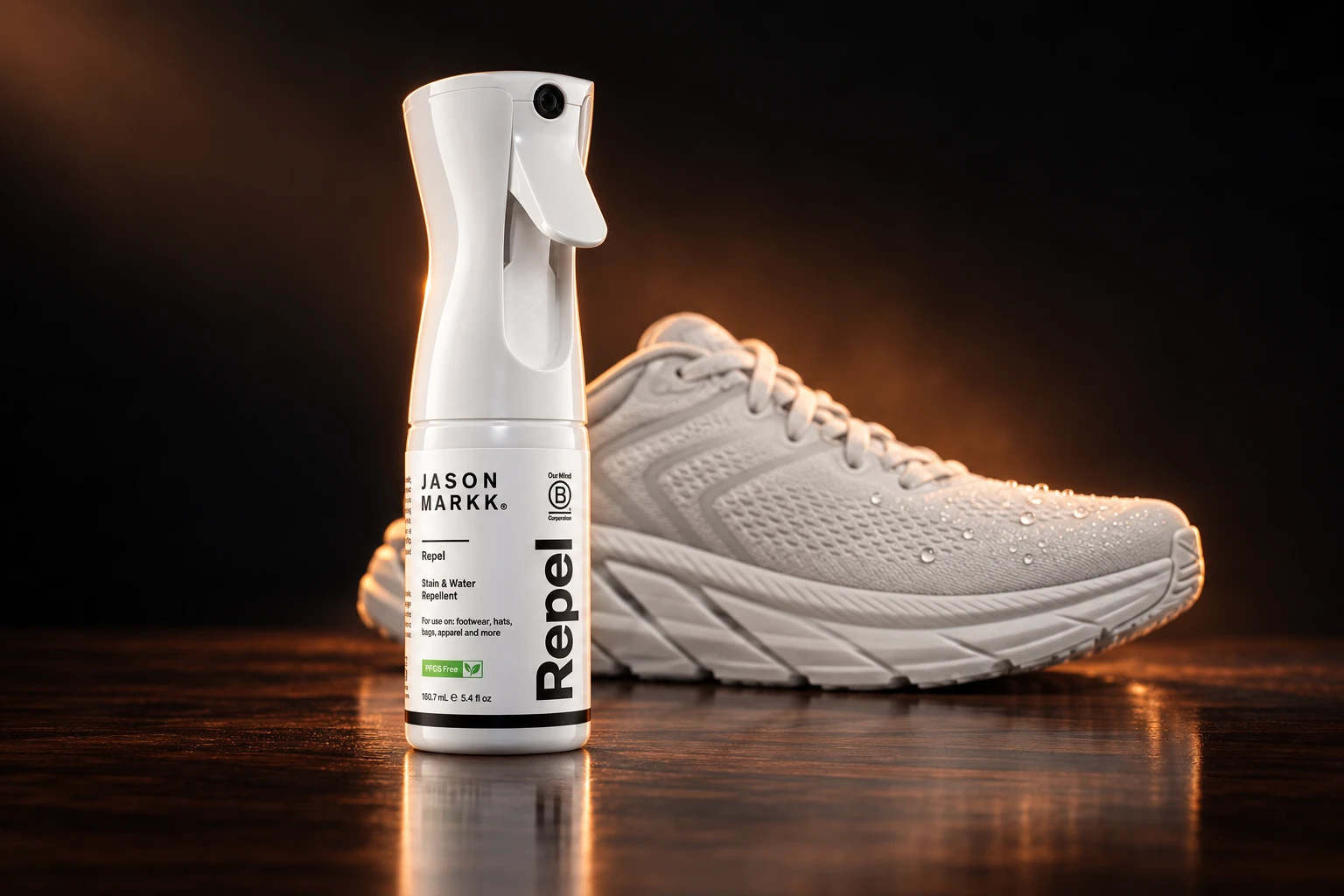
A clean white product shot turned into a lifestyle composite: an AI-generated sneaker set behind the spray, so the image shows the outcome, not just the bottle.
Thanks for reaching out — I'll get back to you within 24 hours.