
Conversion rate is the percentage of visitors to your Amazon listing who complete a purchase. It is one of the most important metrics in your business because improving it makes everything else more efficient: the same ad spend generates more sales, the same organic ranking generates more revenue, and the same number of sessions produces more orders.
Most sellers focus on driving more traffic. Fewer focus on making the traffic they already have convert better. This article covers the design strategies that directly influence conversion rate on Amazon listings, with a focus on visual assets: images, infographics, and A+ Content.
Why Conversion Rate Is a Design Problem
On Amazon, a buyer arriving at your listing has already decided to investigate. They clicked. They are now evaluating. Conversion rate is the outcome of that evaluation — and it is shaped primarily by what they see before they scroll.
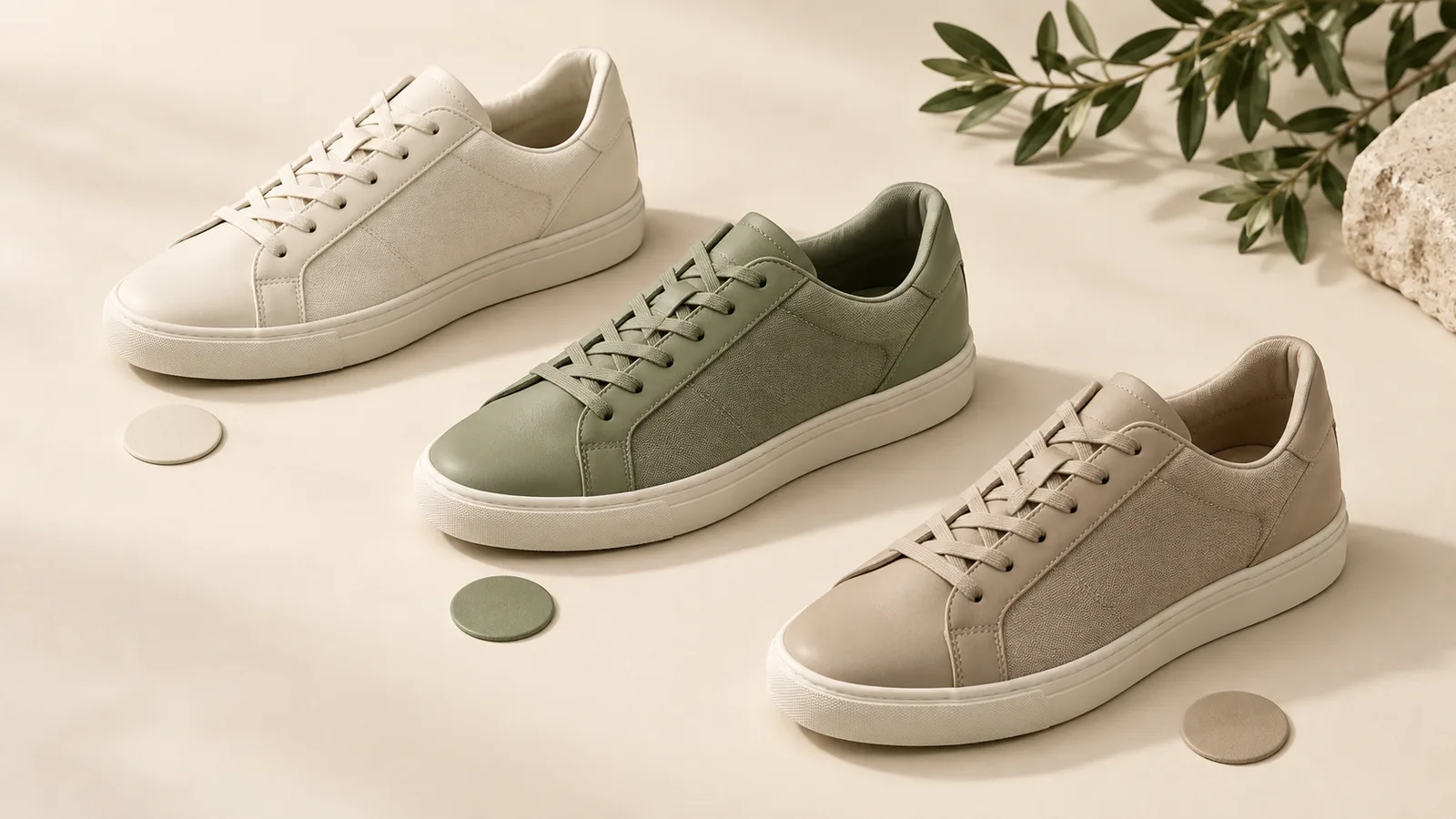
Research consistently shows that buyers form a strong first impression within milliseconds of a page loading. The main image, the side images visible in the gallery, the star rating, and the price all create an immediate quality signal. If the visual quality signals cheap or inconsistent, the browser closes or backs out — even if the product itself is excellent.
The Conversion Funnel Within a Listing
Think of your listing as a conversion funnel with multiple decision points:
Decision 1: "Is this credible?" — answered by the main image, price, and review count. If the main image looks low-quality, the buyer assumes the product is too.
Decision 2: "Is this what I need?" — answered by the side images and title. Infographics that clearly communicate features, dimensions, and use cases answer this question without requiring the buyer to read bullet points.
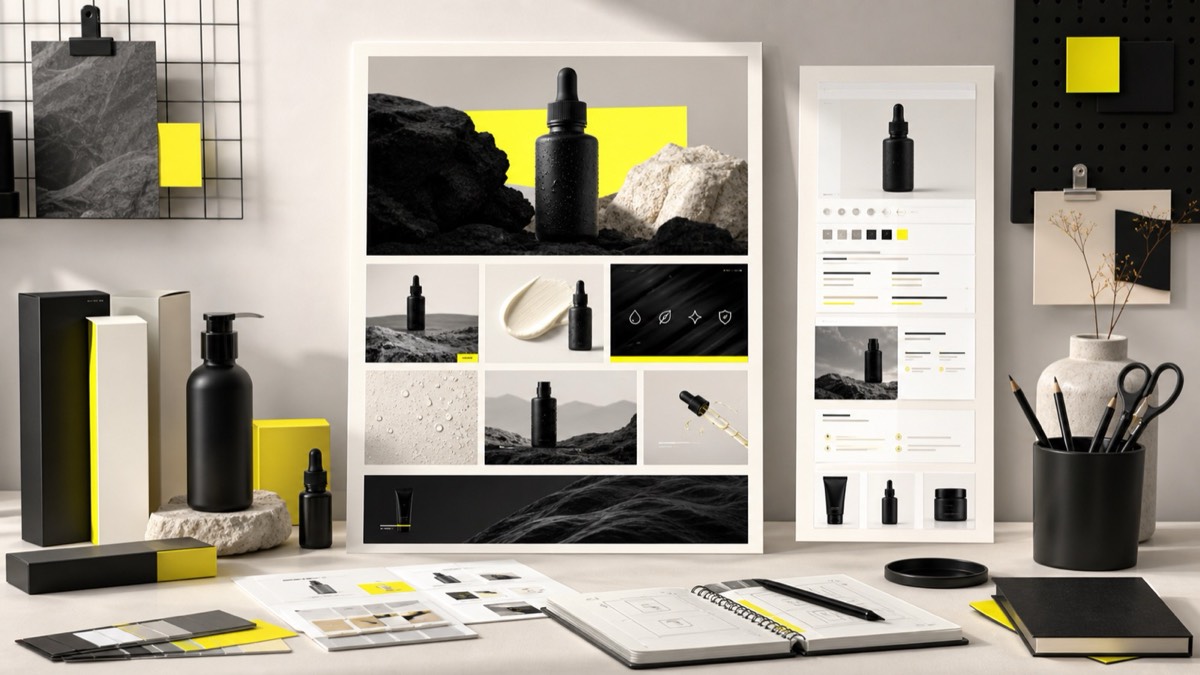
Decision 3: "Can I trust this brand?" — answered by A+ Content. A well-designed brand story, feature highlights, and comparison chart signal professionalism and commitment to the category. They reduce the perceived risk of buying from an unfamiliar brand.
Decision 4: "Are my specific concerns addressed?" — answered by reviews and Q&A. But images can pre-empt common concerns: showing scale, compatibility, materials, and contents removes the objections that would otherwise keep buyers from converting.
High-Impact Image Strategies for Conversion
1. Lead With Benefit, Not Feature
Side images that list features ("Made of stainless steel") convert worse than images that communicate benefits ("Rust-proof. Dishwasher-safe. Built to last."). Buyers buy outcomes, not specifications. Design infographics that translate features into the result the buyer actually wants.
2. Answer the Top 3 Objections Visually
Every product category has common buyer hesitations. For supplements: "What does the full ingredient list look like?" For clothing: "How does it look on different body types?" For electronics: "What's in the box?" Devote at least one infographic to answering the most common reason buyers don't convert.
3. Show Scale
Without a physical product in hand, buyers cannot judge size. An infographic showing the product alongside a common object (hand, coin, standard bottle) immediately communicates dimensions in a way that written specifications cannot. "12cm x 8cm" means little. "Fits in your palm" is immediately understood.
4. Lifestyle Context for the Target Buyer
A lifestyle image showing your ideal customer using the product creates identification and desire. "That could be me" is the conversion trigger. The lifestyle image should feature the right demographic, the right setting, and the right emotional context for your specific product and target audience.
5. Comparison Graphics
If your product is better in specific ways than the standard alternative, show it directly. A comparison chart that positions your product against a generic competitor — without naming the competitor — communicates superiority clearly and pre-empts the buyer shopping around.
A+ Content and Conversion Rate
Amazon's own data suggests that listings with A+ Content see an average 5–10% lift in conversion rate. This is not guaranteed — poor A+ Content can be neutral or even negative if it clutters the page without adding information.
The highest-converting A+ Content layouts combine a brand credibility module (who you are, why you exist), two or three feature modules (specific benefits with supporting visuals), a comparison chart (your products vs. each other, to upsell), and a lifestyle/use-case module that reinforces the emotional purchase decision.
Measuring and Testing CRO Changes
The only reliable way to know if a visual change improved conversion rate is to measure it. Use unit session percentage in Seller Central before and after any image or content change. Allow at least 2–4 weeks of data to account for weekly traffic patterns.
For Brand Registry members, Manage Your Experiments provides the most rigorous measurement: Amazon splits traffic between two versions of your content and tells you which version drives more conversions with statistical confidence.
Do not change multiple elements at once — isolating one variable at a time is the only way to know what is driving the result.
Summary: CRO Design Checklist
- Main image is CTR-optimised — clear, professional, fills 85%+ of the frame
- Side image 2 leads with the strongest single benefit of the product
- At least one infographic shows scale or dimensions relative to a familiar object
- At least one image addresses the top buyer objection in your category
- Lifestyle image shows the ideal buyer in the right context
- A+ Content includes brand credibility, feature highlights, and use-case context
- Comparison chart positions the product clearly against alternatives
- All images are mobile-optimised (text readable on a 375px screen)
Conversion rate optimization on Amazon is not about tricks or gimmicks. It is about removing friction at every decision point — giving the buyer exactly the information they need, in the format that is easiest to absorb, at the moment they need it. Good design does this. And on Amazon, good design is one of the most profitable investments a seller can make.