
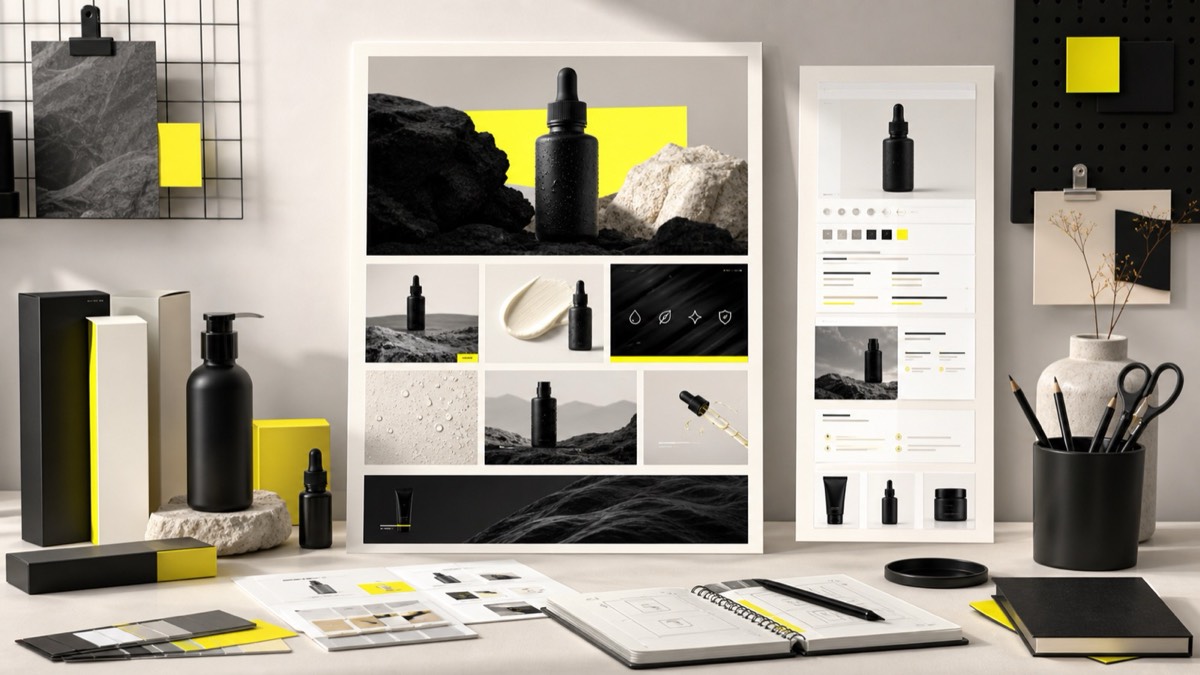
Sellers usually reach for design help at one of two moments: they are launching their first product and have no visual assets at all, or their existing listing is underperforming and they suspect the images are the reason. Either way, the decision is the same — freelancer, agency, or in-house — and each option fits a different stage of catalog growth.
Freelancer: Best for Single Listings and Early-Stage Catalogs
A freelance Amazon designer usually works faster per listing than an agency because there is no account manager layer between you and the person actually opening Photoshop. Pricing is typically per-project — a full image set covering the main image, six or seven infographics, and A+ Content modules — which makes costs predictable for a seller launching one or two SKUs at a time.
The tradeoff is availability. A good freelancer often has a queue, and if your catalog needs ten listings redesigned simultaneously, a single freelancer's turnaround may not keep pace. This is the right choice for sellers validating a new product or refreshing a handful of underperforming listings, not for a large simultaneous catalog overhaul.
Agency: Best for Larger Catalogs Needing Consistent Process
Agencies bring more capacity — multiple designers working in parallel — and usually a more formal revision and project-management process. This matters when a brand is launching many SKUs at once or needs guaranteed turnaround windows tied to a contract. The cost is typically higher per listing than a freelancer for comparable work, since the price covers account management and process overhead in addition to design time.
Agencies also vary widely in Amazon-specific expertise. Some are true Amazon specialists; others are general design shops that added "Amazon listing design" as a service line without deep familiarity with image policy or conversion patterns specific to the platform. Case studies in your exact category matter more here than the word "agency" itself.
In-House: Best Once Launches Become Routine
Once a brand is consistently launching new SKUs every month, or maintaining a large catalog that needs regular seasonal refreshes, an in-house designer or a retained freelancer on a monthly arrangement usually becomes more cost-effective than paying full per-project rates repeatedly. There is no onboarding cost per project, and the designer builds deep familiarity with the brand's visual system over time, which shows up as faster turnaround and fewer revision rounds.
The downside is fixed cost regardless of workload, and a single in-house designer has a skill ceiling — strong at photo retouching and infographics may not mean strong at 3D rendering or packaging design. Larger brands sometimes end up blending an in-house generalist with specialist freelancers for specific asset types.
What to Check Before Committing, Regardless of Route
Ask for before-and-after case studies in your product category specifically, not just an attractive general portfolio — a designer skilled at beauty product infographics is not automatically skilled at apparel or industrial tools. Confirm they understand Amazon's current image policy in detail, not just general design principles, since a beautiful image that gets rejected on upload has zero value. Get turnaround time and revision policy in writing before the project starts, and for a new relationship, commission a single listing before committing to a full catalog redesign.
Frequently Asked Questions
How much does it cost to hire an Amazon listing designer?
Freelance rates for a full image set (main image, 6-7 infographics, and A+ Content) commonly range from a few hundred to over a thousand dollars per listing depending on complexity, revisions, and the designer's experience level. Agencies typically charge more for the same scope due to account management overhead.
When does it make sense to hire in-house instead of freelance?
Once a brand is consistently launching new SKUs every month across multiple categories, an in-house designer or a retained freelancer often becomes more cost-effective than paying per-project rates repeatedly, and produces faster turnaround since there is no onboarding per project.
What should I check before hiring an Amazon listing designer?
Ask for before/after case studies in your product category, confirm they understand Amazon's image policy (not just general design skill), check turnaround time and revision policy in writing, and start with a single listing before committing to a full catalog.
Conclusion
There is no universally "best" option — a freelancer suits early-stage and single-listing needs, an agency suits large simultaneous launches needing guaranteed capacity, and in-house suits brands with a steady, ongoing pipeline of new SKUs. Matching the choice to your actual launch cadence, rather than defaulting to whichever option sounds most professional, is what actually controls cost and turnaround.