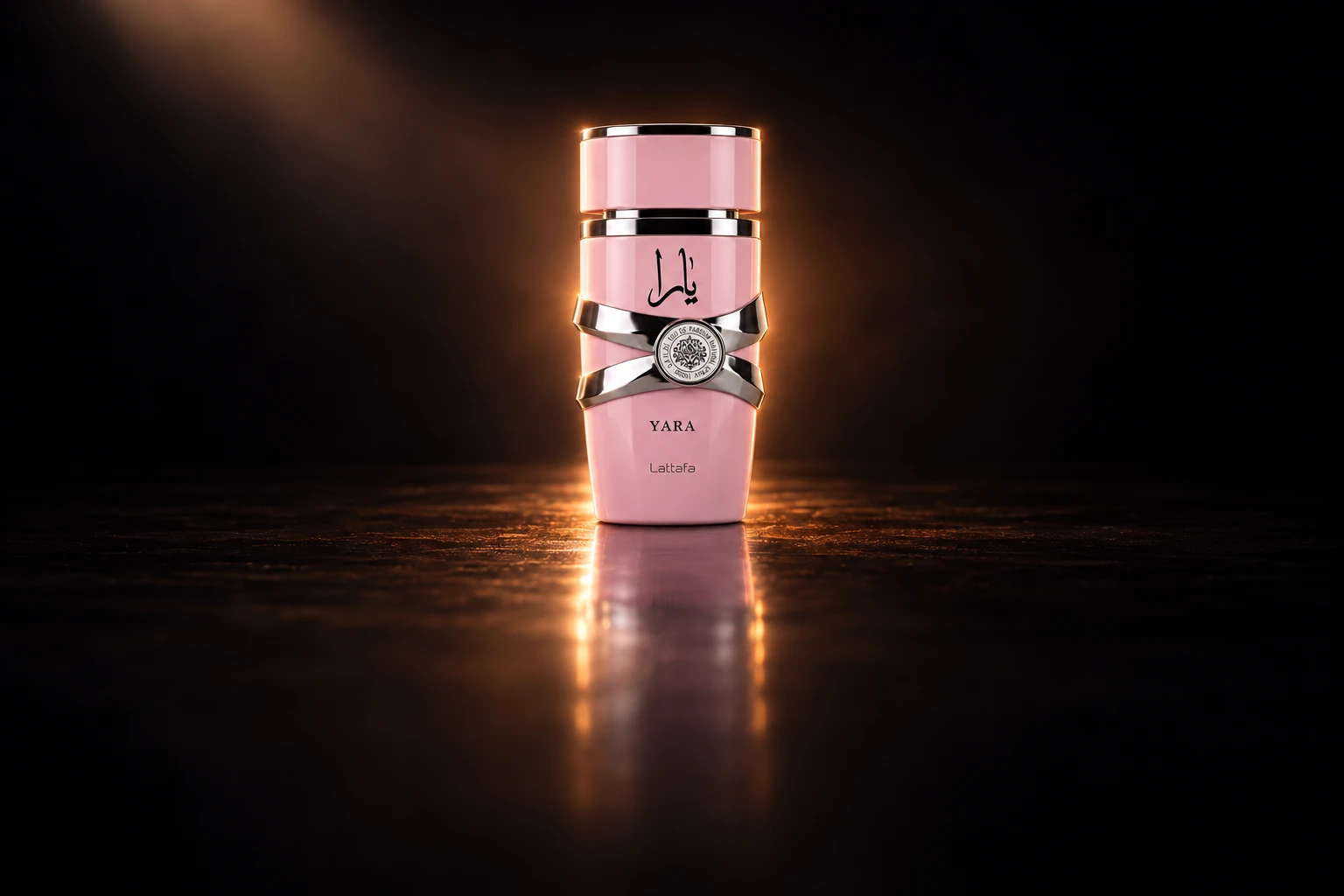
Yara by Lattafa
Raw casual shots of the Yara EDP redesigned into a scroll-stopping main image — shape clarity, lighting and CTR in an AI + Photoshop workflow.
Make your product the one they notice.
Leather Hero’s third product — a heavy-duty calf and shaft boot stretcher — and the first tool rather than a formula. A nine-image set built around mechanism, fit and a before-and-after on a tooled cowboy boot.
A main image has one job: win the click from a page of competitors. Here it came down to two versions of the same stretcher.
The first shows the tool alone, upright on white, with a kraft “Extra Heavy Duty” tag. Every part of the mechanism — handle, screw, paddles — reads at thumbnail size, and nothing in the frame is something the buyer will not receive.
The second stands the stretcher next to a tooled cowboy boot. It is the faster read for a shopper who does not know what a boot stretcher looks like, and it gives instant scale.
The call: lead with the stretcher alone. The boot is not in the box, and in a main image a prop that is not included invites the “does it come with the boot?” question — the kind of confusion that costs returns and can draw Amazon’s attention. The boot version is not wasted: it is the ideal second slot, where context and scale help without blurring what ships.
Every slot in a listing is a question the buyer has not asked out loud yet. Here is what each of the nine is for.
MAIN — PRIMARY
Wins the click. The stretcher alone on pure white, standing upright so the T-handle, screw and twin paddles all read at thumbnail size. The kraft tag does one job: say “heavy duty” before the buyer has read a word of the title.
MAIN — ALTERNATE
The same tool beside a cowboy boot. Kept as the second slot and A/B challenger: it answers “how big is it?” and “what is it for?” at a glance, for the shopper who does not recognise a boot stretcher on sight.
CALF & SHAFT
Names the problem the tool solves — a tight calf — and shows it working inside the boot, arrows pushing the shaft outward. The second line heads off the first fear: will it tear my stitching or lining?
DUAL STRETCHING ACTION
The feature slot. Two zoomed callouts explain the upper and lower plate modes, so one tool reads as two — shaft and instep — and the buyer sees more value than the photo alone suggests.
EASY TWIST ADJUSTMENT
Answers “is it hard to use?” with a hand on the handle and a rotation arrow — insert, turn, expand. The inset of a zip-up lace boot quietly widens the audience beyond cowboy boots.
BEFORE / AFTER
The proof slot. The same tooled shaft side by side — narrow on the left, visibly opened on the right — with the tooling intact on both. It turns “stretches the shaft” from a claim into something the buyer can measure by eye.
NO RUBBING
Sells the outcome, not the tool. Boots worn on the road, with the three pains a tight boot causes — tight legs, ankle pain, uneasy feet — named so the buyer recognises their own reason for searching.
MADE FOR ALL BOOTS
Raises what the tool is worth. Cowboy, western, work and hiking boots in one row says it is not a single-boot purchase — the buyer with a closet of boots sees a reason to buy for all of them.
HEAVY-DUTY BUILD
Closes on trust. The stretcher on raw leather hides with a 40 lb strength claim and a “Stretch Guaranteed” seal — the last reassurance for a buyer comparing it against cheaper plastic stretchers.
Selling leather care or footwear on Amazon?
The same treatment for your listing — every image answering a question the buyer hasn’t asked yet.
Raw casual shots of the Yara EDP redesigned into a scroll-stopping main image — shape clarity, lighting and CTR in an AI + Photoshop workflow.
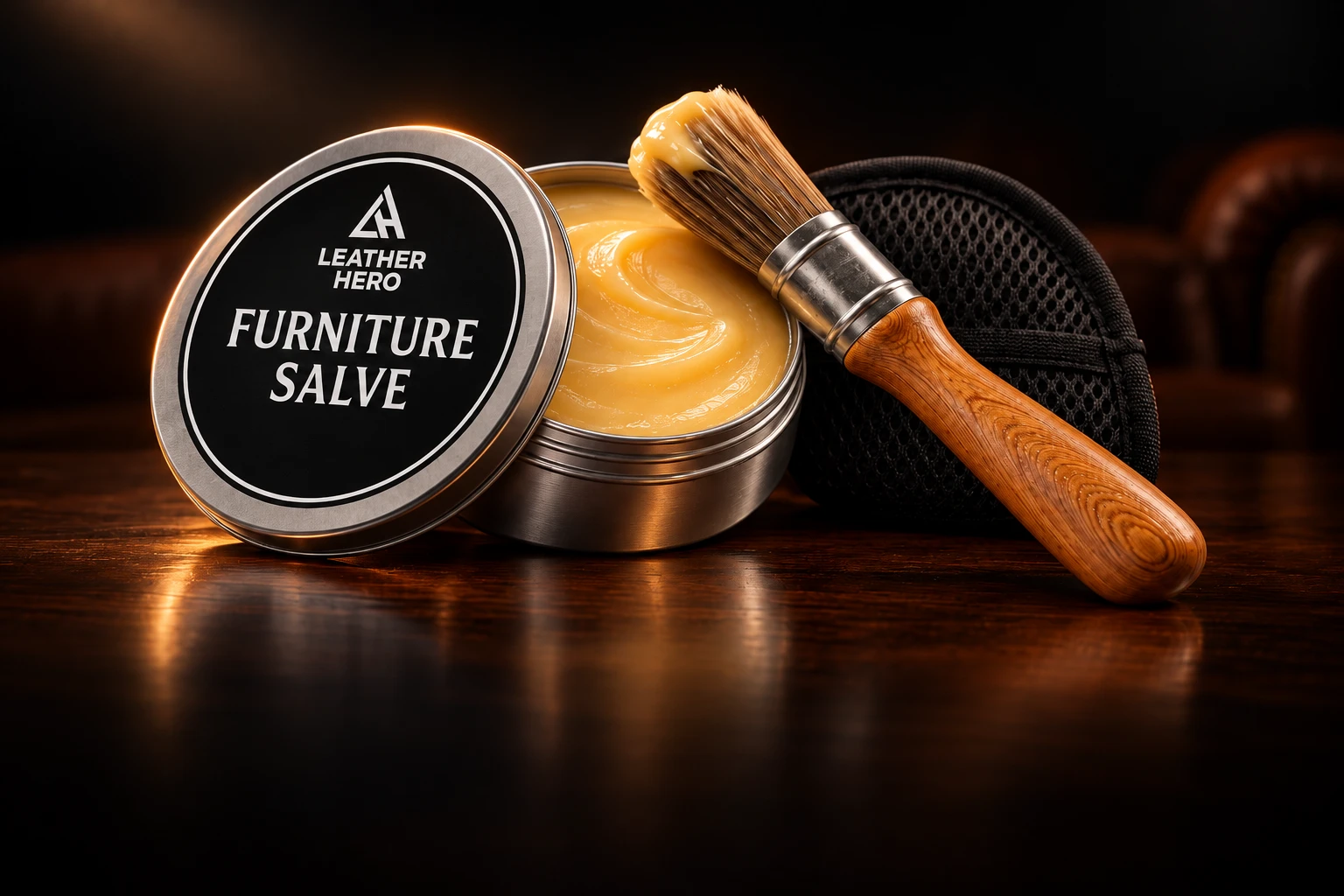
Four near-identical images rebuilt into a ten-image set led by before-and-after proof, real furniture settings and a cross-section of the salve at work.
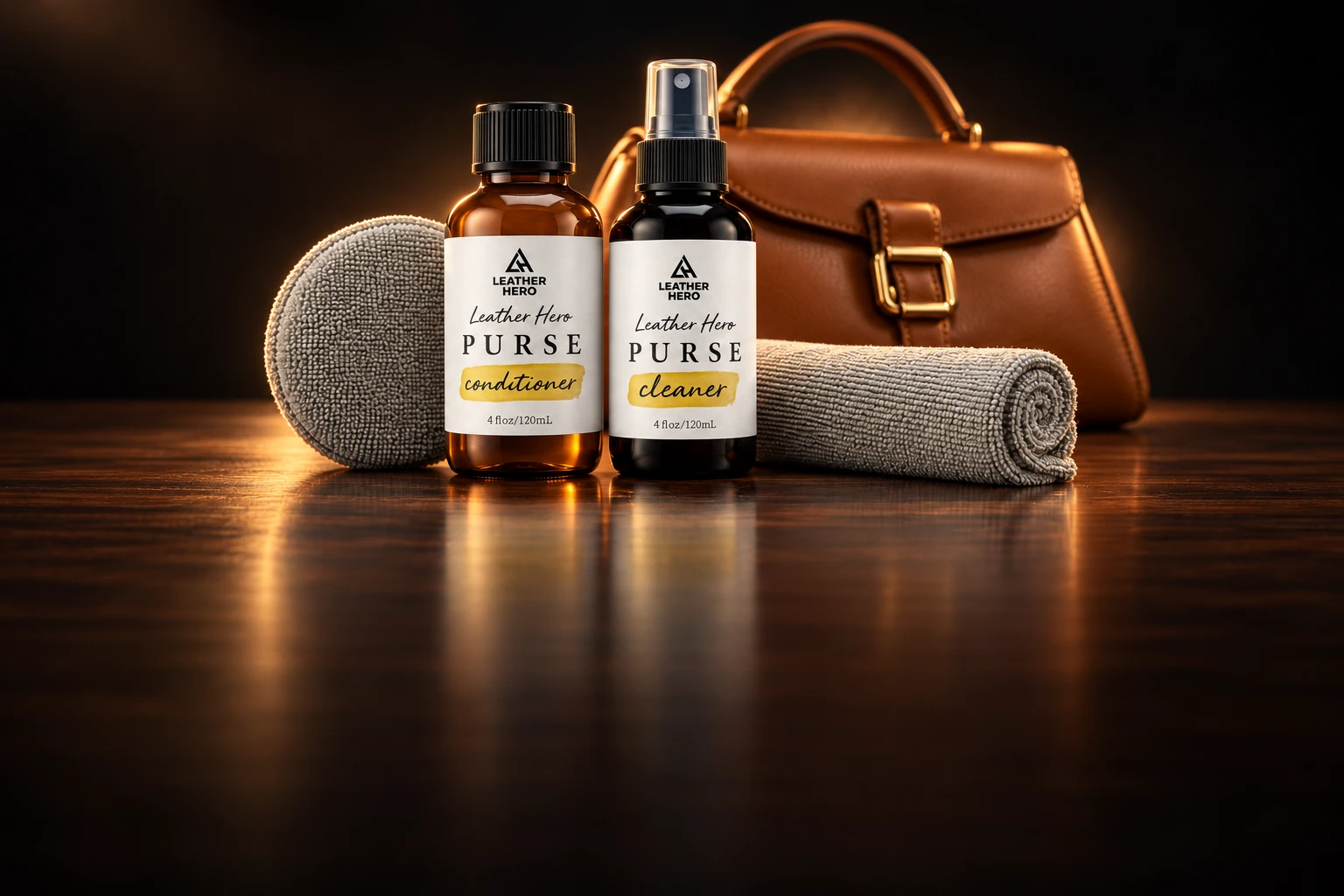
The brand's second product, given the same proof-first treatment: an eight-image set led by one aged crossbody, restored in a single split frame.
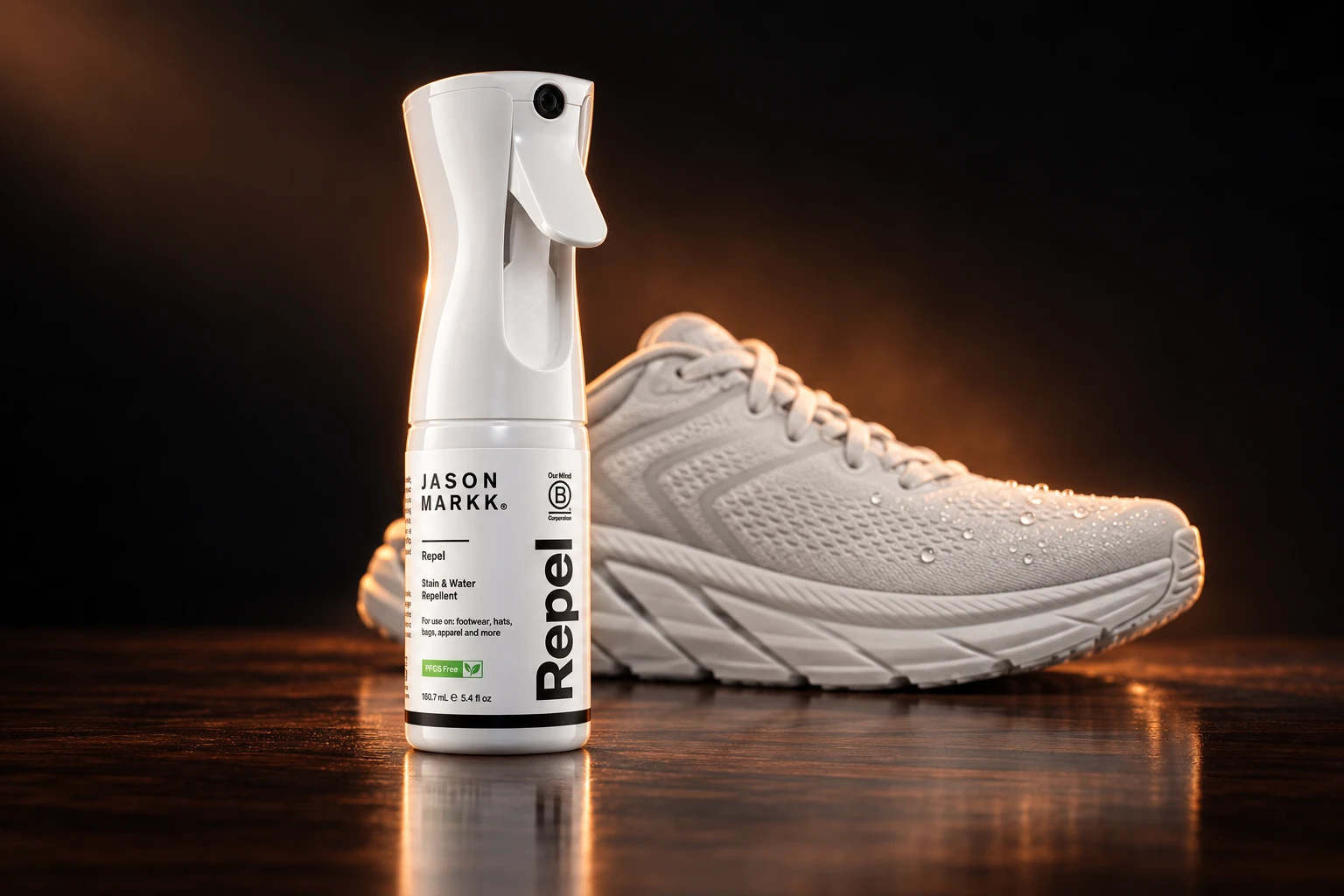
A clean white product shot turned into a lifestyle composite: an AI-generated sneaker set behind the spray, so the image shows the outcome, not just the bottle.
Thanks for reaching out — I'll get back to you within 24 hours.